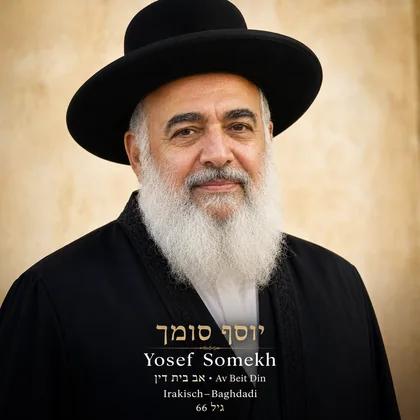
How does the way we see shape what we are able to do?
כיצד הדרך שבה אנו רואים מעצבת את מה שאנו מסוגלים לעשות?
Read the sending of the scouts, the opposing reports, the words of Yehoshua and Kalev, and the commandment of tzitzit as a study in seeing, and ask how perception leads to consequence.
לקרוא את שליחת המרגלים, את הדיווחים המנוגדים, את דברי יהושע וכלב ואת מצוות הציצית כעיון בראייה, ולשאול כיצד תפיסה מובילה לתוצאה.
The consequence of judgmentתוצאת הדין
Shelach tells of a mission that fails not because of what the scouts saw but because of how they reported it. The consequence is forty years in the wilderness. The parashah ends with a commandment about the eyes.
פרשת שלח מספרת על שליחות שנכשלה לא בגלל מה שהמרגלים ראו אלא בגלל האופן שבו דיווחו עליו. התוצאה היא ארבעים שנה במדבר. הפרשה מסתיימת במצווה על העיניים.
This study accompanies the song for Parashat Shelach, set at Gevurah in Maqam Hijaz, the consequence of judgment. We read four passages and follow the theme of seeing.
שיעור זה מלווה את השיר לפרשת שלח, הערוך בגבורה ובמקאם חג׳אז, תוצאת הדין. נקרא ארבעה מקורות ונלך אחר נושא הראייה.
1. Send for yourselfא. שלח לך
Numbers 13:2 says, send for yourself men, and let them scout the land of Canaan which I am giving to the children of Yisrael; one man for each tribe of his fathers, each a prince among them.
במדבר יג, ב אומר: שלח לך אנשים ויתורו את ארץ כנען אשר אני נותן לבני ישראל, איש אחד איש אחד למטה אבותיו תשלחו, כל נשיא בהם.
The land is described as one which I am giving, before anyone sets out. The scouts are leaders, one from each tribe. The phrase send for yourself has been read by many as leaving the choice to Moshe; we note it without deciding. The mission begins with a promise already given.
הארץ מתוארת כארץ אשר אני נותן, לפני שמישהו יוצא לדרך. המרגלים הם נשיאים, אחד מכל שבט. הצירוף שלח לך נקרא בידי רבים כהשארת הבחירה למשה; אנו מציינים זאת בלי להכריע. השליחות מתחילה בהבטחה שכבר ניתנה.
2. We cannotב. לא נוכל
Numbers 13:30-31 says that Kalev quieted the people toward Moshe and said, we shall surely go up and possess it, for we are well able. But the men who went up with him said, we cannot go up against the people, for they are stronger than we.
במדבר יג, ל-לא אומר: ויהס כלב את העם אל משה ויאמר, עלה נעלה וירשנו אותה כי יכול נוכל לה. והאנשים אשר עלו עמו אמרו, לא נוכל לעלות אל העם כי חזק הוא ממנו.
The same root, to be able, appears on both sides: we are well able, and we cannot. The scouts saw the same land; the difference lies in what they concluded about themselves. As our reflection, a report about the world is often also a report about one's own strength.
אותו שורש, יכולת, מופיע בשני הצדדים: יכול נוכל, ולא נוכל. המרגלים ראו אותה ארץ; ההבדל הוא במה שהסיקו על עצמם. כהתבוננות שלנו, דיווח על העולם הוא פעמים רבות גם דיווח על כוחך שלך.
3. Exceedingly goodג. טובה הארץ מאד מאד
Numbers 14:7-9 says that Yehoshua and Kalev spoke to the congregation: the land we passed through to scout is an exceedingly good land. If HaShem delights in us, he will bring us into this land. Only do not rebel against HaShem, and do not fear the people of the land, for HaShem is with us; do not fear them.
במדבר יד, ז-ט אומר שאמרו יהושע וכלב אל כל עדת בני ישראל: הארץ אשר עברנו בה לתור אותה טובה הארץ מאד מאד. אם חפץ בנו ה׳ והביא אותנו אל הארץ הזאת. אך בה׳ אל תמרודו, ואתם אל תיראו את עם הארץ, וה׳ אתנו, אל תיראום.
Two scouts speak against the majority. Their words begin with the goodness of the land and end with do not fear. The consequence for the people is severe, and the Torah describes it in the verses that follow. As our reading, courage here starts with seeing the good accurately.
שני מרגלים מדברים נגד הרוב. דבריהם מתחילים בטובת הארץ ומסתיימים באל תיראום. התוצאה לעם חמורה, והתורה מתארת אותה בפסוקים שאחר כך. בקריאתנו, האומץ מתחיל כאן בראיית הטוב בדיוק.
4. And you shall see itד. וראיתם אותו
Numbers 15:39-40 says, it shall be for you a fringe, and you shall see it and remember all the commandments of HaShem and do them, and not seek after your heart and after your eyes, after which you stray; so that you remember and do all my commandments and be holy to your God.
במדבר טו, לט-מ אומר: והיה לכם לציצית, וראיתם אותו וזכרתם את כל מצוות ה׳ ועשיתם אותם, ולא תתורו אחרי לבבכם ואחרי עיניכם אשר אתם זונים אחריהם. למען תזכרו ועשיתם את כל מצוותי והייתם קדושים לאלהיכם.
The verb for scouting in Numbers 13, latur, returns here: do not scout after your heart and your eyes. Many readers have connected the two. We offer the link as a reading: the parashah that began with a failure of seeing ends with a commandment that trains seeing.
הפועל של הריגול בבמדבר יג, לתור, חוזר כאן: ולא תתורו אחרי לבבכם ואחרי עיניכם. קוראים רבים קישרו בין השניים. אנו מציעים את הקישור כקריאה: הפרשה שהתחילה בכישלון של ראייה מסתיימת במצווה המחנכת את הראייה.
Trained seeingראייה מחונכת
Our passages show a mission begun with a promise, two reports from the same seeing, two voices who name the good and refuse fear, and a commandment that turns the eyes toward memory. Perception has consequences, and it can be trained.
המקורות מראים שליחות שהתחילה בהבטחה, שני דיווחים מאותה ראייה, שני קולות הנוקבים בטוב ומסרבים לפחד, ומצווה המפנה את העיניים אל הזיכרון. לתפיסה יש תוצאות, ואפשר לחנך אותה.
This week, when you describe a challenge to someone, describe first what is good about the situation, and only then the difficulties. Notice whether the report changes what you believe you can do.
השבוע, כאשר תתארו למישהו אתגר, תארו תחילה מה טוב במצב, ורק אחר כך את הקשיים. שימו לב אם הדיווח משנה את מה שאתם מאמינים שתוכלו לעשות.
Keep the conversation goingממשיכים לשאול
- How can two groups see the same land and report such different things?כיצד יכולות שתי קבוצות לראות אותה ארץ ולדווח דברים כה שונים?
- What does "we are well able" say about the one who says it?מה אומר ״יכול נוכל״ על מי שאומר אותו?
- How might tzitzit train the way we see?כיצד עשויה הציצית לחנך את הדרך שבה אנו רואים?
The source sheetדף המקורות
שְׁלַח־לְךָ֣ אֲנָשִׁ֗ים וְיָתֻ֨רוּ֙ אֶת־אֶ֣רֶץ כְּנַ֔עַן אֲשֶׁר־אֲנִ֥י נֹתֵ֖ן לִבְנֵ֣י יִשְׂרָאֵ֑ל אִ֣ישׁ אֶחָד֩ אִ֨ישׁ אֶחָ֜ד לְמַטֵּ֤ה אֲבֹתָיו֙ תִּשְׁלָ֔חוּ כֹּ֖ל נָשִׂ֥יא בָהֶֽם׃Westminster Leningrad Codex (Masoretic text) · Public Domain · Gottesname als אֲדֹנָי
Source text as supplied for this edition; divine names follow its spelling.נוסח המקור כפי שנמסר למהדורה זו; השמות נכתבו לפי נוסח המהדורה.
וַיַּ֧הַס כָּלֵ֛ב אֶת־הָעָ֖ם אֶל־מֹשֶׁ֑ה וַיֹּ֗אמֶר עָלֹ֤ה נַעֲלֶה֙ וְיָרַ֣שְׁנוּ אֹתָ֔הּ כִּֽי־יָכ֥וֹל נוּכַ֖ל לָֽהּ׃
וְהָ֨אֲנָשִׁ֜ים אֲשֶׁר־עָל֤וּ עִמּוֹ֙ אָֽמְר֔וּ לֹ֥א נוּכַ֖ל לַעֲל֣וֹת אֶל־הָעָ֑ם כִּֽי־חָזָ֥ק ה֖וּא מִמֶּֽנּוּ׃Westminster Leningrad Codex (Masoretic text) · Public Domain · Gottesname als אֲדֹנָי
Source text as supplied for this edition; divine names follow its spelling.נוסח המקור כפי שנמסר למהדורה זו; השמות נכתבו לפי נוסח המהדורה.
וַיֹּ֣אמְר֔וּ אֶל־כָּל־עֲדַ֥ת בְּנֵֽי־יִשְׂרָאֵ֖ל לֵאמֹ֑ר הָאָ֗רֶץ אֲשֶׁ֨ר עָבַ֤רְנוּ בָהּ֙ לָת֣וּר אֹתָ֔הּ טוֹבָ֥ה הָאָ֖רֶץ מְאֹ֥ד מְאֹֽד׃
אִם־חָפֵ֥ץ בָּ֨נוּ֙ אֲדֹנָ֔י וְהֵבִ֤יא אֹתָ֨נוּ֙ אֶל־הָאָ֣רֶץ הַזֹּ֔את וּנְתָנָ֖הּ לָ֑נוּ אֶ֕רֶץ אֲשֶׁר־הִ֛וא זָבַ֥ת חָלָ֖ב וּדְבָֽשׁ׃
אַ֣ךְ בַּֽאדֹנָ֮י אַל־תִּמְרֹדוּ֒ וְאַתֶּ֗ם אַל־תִּֽירְאוּ֙ אֶת־עַ֣ם הָאָ֔רֶץ כִּ֥י לַחְמֵ֖נוּ הֵ֑ם סָ֣ר צִלָּ֧ם מֵעֲלֵיהֶ֛ם וַֽאדֹנָ֥י אִתָּ֖נוּ אַל־תִּירָאֻֽם׃Westminster Leningrad Codex (Masoretic text) · Public Domain · Gottesname als אֲדֹנָי
Source text as supplied for this edition; divine names follow its spelling.נוסח המקור כפי שנמסר למהדורה זו; השמות נכתבו לפי נוסח המהדורה.
וְהָיָ֣ה לָכֶם֮ לְצִיצִת֒ וּרְאִיתֶ֣ם אֹת֗וֹ וּזְכַרְתֶּם֙ אֶת־כָּל־מִצְוֹ֣ת אֲדֹנָ֔י וַעֲשִׂיתֶ֖ם אֹתָ֑ם וְלֹֽא־תָתֻ֜רוּ אַחֲרֵ֤י לְבַבְכֶם֙ וְאַחֲרֵ֣י עֵֽינֵיכֶ֔ם אֲשֶׁר־אַתֶּ֥ם זֹנִ֖ים אַחֲרֵיהֶֽם׃
לְמַ֣עַן תִּזְכְּר֔וּ וַעֲשִׂיתֶ֖ם אֶת־כָּל־מִצְוֹתָ֑י וִהְיִיתֶ֥ם קְדֹשִׁ֖ים לֵֽאלֹהֵיכֶֽם׃Westminster Leningrad Codex (Masoretic text) · Public Domain · Gottesname als אֲדֹנָי
Source text as supplied for this edition; divine names follow its spelling.נוסח המקור כפי שנמסר למהדורה זו; השמות נכתבו לפי נוסח המהדורה.