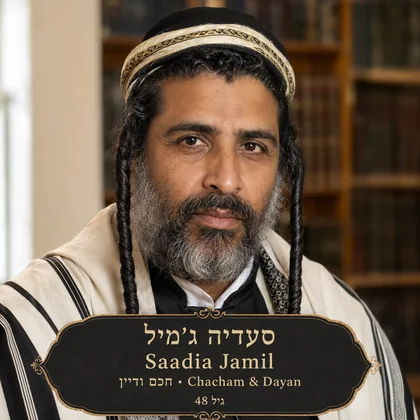
What does it take to confront power truthfully when even one's own people cannot yet listen?
מה נדרש כדי לעמוד מול כוח באמת, כאשר אפילו בני עמך עדיין אינם יכולים לשמוע?
Read the promises of Exodus 6, the people's inability to hear, Moshe's doubt, and Pharaoh's partial confession as faces of one confrontation, and ask how honesty is sustained when words do not yet seem to work.
לקרוא את הבטחות שמות ו, את חוסר יכולתו של העם לשמוע, את ספקו של משה ואת הודאתו החלקית של פרעה כפנים של עימות אחד, ולשאול כיצד נשמרת כנות כאשר המילים עדיין אינן נראות פועלות.
A royal confrontationעימות מלכותי
Va'era sets a messenger without power before a king with great power. The parashah is full of signs and plagues, but its deepest tension may lie elsewhere: in words that are not heard, and in confessions that are not meant.
פרשת וארא מעמידה שליח חסר כוח מול מלך בעל כוח רב. הפרשה מלאה אותות ומכות, אך המתח העמוק שבה עשוי להימצא במקום אחר: במילים שאינן נשמעות ובהודאות שאינן כנות.
This study accompanies the song for Parashat Va'era, set at Gevurah in Maqam Hijaz, the strength of a royal confrontation. We read four passages and look at three kinds of listening.
שיעור זה מלווה את השיר לפרשת וארא, הערוך בגבורה ובמקאם חג׳אז, עוצמתו של עימות מלכותי. נקרא ארבעה מקורות ונתבונן בשלושה סוגים של שמיעה.
1. A message framed by the Nameא. מסר הממוסגר בשם
Exodus 6:6-8 gives Moshe a message for the children of Yisrael. It begins with I am HaShem, continues with I will bring you out, save you, redeem you, take you to me as a people, and bring you to the land, and ends again with I am HaShem.
שמות ו, ו-ח נותן למשה מסר לבני ישראל. הוא נפתח באני ה׳, ממשיך בוהוצאתי, והצלתי, וגאלתי, ולקחתי אתכם לי לעם, והבאתי אתכם אל הארץ, ונחתם שוב באני ה׳.
The tradition counts these expressions in various ways, and their link to customs of the Seder is well known; we do not enter that here. For our question, it is enough that the message is full and clear. The difficulty in what follows does not come from a lack of clarity.
המסורת מונה ביטויים אלה בדרכים שונות, וזיקתם למנהגי הסדר ידועה; איננו נכנסים לכך כאן. לשאלתנו די בכך שהמסר מלא וברור. הקושי שבא אחר כך אינו נובע מחוסר בהירות.
2. Shortness of spiritב. קוצר רוח
Exodus 6:9 reports that Moshe spoke so to the children of Yisrael, and they did not listen to Moshe, from shortness of spirit and from hard labor. The verse gives two reasons, one inward and one outward.
שמות ו, ט מוסר שדיבר משה כן אל בני ישראל, ולא שמעו אל משה מקוצר רוח ומעבודה קשה. הפסוק נותן שני נימוקים, אחד פנימי ואחד חיצוני.
The text does not blame the people; it explains why good news could not be received. As our application, those who carry a true message may need patience with listeners whose spirit is crushed, and attention to the conditions that make listening possible.
הכתוב אינו מאשים את העם; הוא מסביר מדוע לא ניתן היה לקבל בשורה טובה. כיישום שלנו, מי שנושאים מסר אמת עשויים להזדקק לסבלנות כלפי שומעים שרוחם כתושה, ולתשומת לב לתנאים המאפשרים שמיעה.
3. Uncircumcised lipsג. ערל שפתים
In Exodus 6:10-12 Moshe is told to go and speak to Pharaoh. He answers, the children of Yisrael did not listen to me, and how will Pharaoh listen to me, and I am of uncircumcised lips?
בשמות ו, י-יב נאמר למשה ללכת ולדבר אל פרעה. הוא עונה: הן בני ישראל לא שמעו אלי, ואיך ישמעני פרעה, ואני ערל שפתים?
Moshe's doubt is reasonable: if his own people could not hear, why would a king? The text records his hesitation without hiding it. Confronting power does not require pretending to be confident; it may require continuing while one's limits are named aloud.
ספקו של משה סביר: אם בני עמו לא יכלו לשמוע, מדוע ישמע מלך? הכתוב מתעד את היסוסו בלי להסתירו. עמידה מול כוח אינה דורשת העמדת פנים של ביטחון; היא עשויה לדרוש להמשיך גם כאשר מגבלותיך נאמרות בקול.
4. A confession that is not yet fearד. הודאה שעדיין אינה יראה
In Exodus 9:27-28 Pharaoh calls Moshe and Aharon and says, I have sinned this time; HaShem is the righteous one, and I and my people are the wicked; entreat HaShem and I will send you out. In verses 29-30 Moshe agrees to spread his hands in prayer, and adds, as for you and your servants, I know that you do not yet fear HaShem Elohim.
בשמות ט, כז-כח פרעה קורא למשה ולאהרן ואומר: חטאתי הפעם, ה׳ הצדיק ואני ועמי הרשעים; העתירו אל ה׳ ואשלחה אתכם. בפסוקים כט-ל משה מסכים לפרוש כפיו בתפילה, ומוסיף: ואתה ועבדיך ידעתי כי טרם תיראון מפני ה׳ אלהים.
Moshe responds to the request and names the truth at once. He neither refuses to pray nor pretends the confession is complete. In our reading, this is the balance the parashah asks for: generosity in response, without illusion about what has changed.
משה נענה לבקשה וקורא בשם לאמת בבת אחת. הוא אינו מסרב להתפלל ואינו מעמיד פנים שההודאה שלמה. בקריאתנו, זהו האיזון שהפרשה מבקשת: נדיבות בתגובה, בלי אשליה לגבי מה שהשתנה.
Truth without illusionאמת בלי אשליה
Three kinds of listening appear: a people who cannot listen because of suffering, a messenger who doubts his own voice, and a ruler who confesses under pressure but has not changed. Truthful confrontation, these passages suggest, needs a clear message, compassion for the burdened, honesty about one's limits, and refusal to be deceived by partial words.
מופיעים שלושה סוגים של שמיעה: עם שאינו יכול לשמוע בגלל סבל, שליח המטיל ספק בקולו, ושליט המודה תחת לחץ אך לא השתנה. עימות אמיתי, מציעים המקורות, צריך מסר ברור, חמלה כלפי העמוסים, כנות לגבי מגבלותיך וסירוב להיות מרומה במילים חלקיות.
This week, name one place where truth and compassion must be held together: someone too burdened to hear you now, or an apology that seems only partial. Decide what you will say, and what you will not pretend.
השבוע, קראו בשם למקום אחד שבו יש להחזיק אמת וחמלה יחד: אדם עמוס מכדי לשמוע אתכם עכשיו, או התנצלות שנראית חלקית בלבד. החליטו מה תאמרו, ובמה לא תעמידו פנים.
Keep the conversation goingממשיכים לשאול
- Why might the Torah explain rather than blame the people's inability to listen?מדוע ייתכן שהתורה מסבירה ואינה מאשימה את חוסר יכולתו של העם לשמוע?
- What does Moshe teach by praying for Pharaoh while naming his lack of fear?מה מלמד משה כאשר הוא מתפלל בעד פרעה ובו בזמן קורא בשם להיעדר יראתו?
- Where do you need to hold truth and compassion together this week?היכן עליך להחזיק השבוע אמת וחמלה יחד?
The source sheetדף המקורות
לָכֵ֞ן אֱמֹ֥ר לִבְנֵֽי־יִשְׂרָאֵ֘ל אֲנִ֣י אֲדֹנָ֒י וְהוֹצֵאתִ֣י אֶתְכֶ֗ם מִתַּ֨חַת֙ סִבְלֹ֣ת מִצְרַ֔יִם וְהִצַּלְתִּ֥י אֶתְכֶ֖ם מֵעֲבֹדָתָ֑ם וְגָאַלְתִּ֤י אֶתְכֶם֙ בִּזְר֣וֹעַ נְטוּיָ֔ה וּבִשְׁפָטִ֖ים גְּדֹלִֽים׃
וְלָקַחְתִּ֨י אֶתְכֶ֥ם לִי֙ לְעָ֔ם וְהָיִ֥יתִי לָכֶ֖ם לֵֽאלֹהִ֑ים וִֽידַעְתֶּ֗ם כִּ֣י אֲנִ֤י אֲדֹנָ֙י אֱלֹ֣הֵיכֶ֔ם הַמּוֹצִ֣יא אֶתְכֶ֔ם מִתַּ֖חַת סִבְל֥וֹת מִצְרָֽיִם׃
וְהֵבֵאתִ֤י אֶתְכֶם֙ אֶל־הָאָ֔רֶץ אֲשֶׁ֤ר נָשָׂ֨אתִי֙ אֶת־יָדִ֔י לָתֵ֣ת אֹתָ֔הּ לְאַבְרָהָ֥ם לְיִצְחָ֖ק וּֽלְיַעֲקֹ֑ב וְנָתַתִּ֨י אֹתָ֥הּ לָכֶ֛ם מוֹרָשָׁ֖ה אֲנִ֥י אֲדֹנָֽי׃Westminster Leningrad Codex (Masoretic text) · Public Domain · Gottesname als אֲדֹנָי
Source text as supplied for this edition; divine names follow its spelling.נוסח המקור כפי שנמסר למהדורה זו; השמות נכתבו לפי נוסח המהדורה.
וַיְדַבֵּ֥ר מֹשֶׁ֛ה כֵּ֖ן אֶל־בְּנֵ֣י יִשְׂרָאֵ֑ל וְלֹ֤א שָֽׁמְעוּ֙ אֶל־מֹשֶׁ֔ה מִקֹּ֣צֶר ר֔וּחַ וּמֵעֲבֹדָ֖ה קָשָֽׁה׃ {פ}
וַיְדַבֵּ֥ר אֲדֹנָ֖י אֶל־מֹשֶׁ֥ה לֵּאמֹֽר׃
בֹּ֣א דַבֵּ֔ר אֶל־פַּרְעֹ֖ה מֶ֣לֶךְ מִצְרָ֑יִם וִֽישַׁלַּ֥ח אֶת־בְּנֵֽי־יִשְׂרָאֵ֖ל מֵאַרְצֽוֹ׃
וַיְדַבֵּ֣ר מֹשֶׁ֔ה לִפְנֵ֥י אֲדֹנָ֖י לֵאמֹ֑ר הֵ֤ן בְּנֵֽי־יִשְׂרָאֵל֙ לֹֽא־שָׁמְע֣וּ אֵלַ֔י וְאֵיךְ֙ יִשְׁמָעֵ֣נִי פַרְעֹ֔ה וַאֲנִ֖י עֲרַ֥ל שְׂפָתָֽיִם׃ {פ}Westminster Leningrad Codex (Masoretic text) · Public Domain · Gottesname als אֲדֹנָי
Source text as supplied for this edition; divine names follow its spelling.נוסח המקור כפי שנמסר למהדורה זו; השמות נכתבו לפי נוסח המהדורה.
וַיִּשְׁלַ֣ח פַּרְעֹ֗ה וַיִּקְרָא֙ לְמֹשֶׁ֣ה וּֽלְאַהֲרֹ֔ן וַיֹּ֥אמֶר אֲלֵהֶ֖ם חָטָ֣אתִי הַפָּ֑עַם אֲדֹנָ֙י הַצַּדִּ֔יק וַאֲנִ֥י וְעַמִּ֖י הָרְשָׁעִֽים׃
הַעְתִּ֨ירוּ֙ אֶל־אֲדֹנָ֔י וְרַ֕ב מִֽהְיֹ֛ת קֹלֹ֥ת אֱלֹהִ֖ים וּבָרָ֑ד וַאֲשַׁלְּחָ֣ה אֶתְכֶ֔ם וְלֹ֥א תֹסִפ֖וּן לַעֲמֹֽד׃
וַיֹּ֤אמֶר אֵלָיו֙ מֹשֶׁ֔ה כְּצֵאתִי֙ אֶת־הָעִ֔יר אֶפְרֹ֥שׂ אֶת־כַּפַּ֖י אֶל־אֲדֹנָ֑י הַקֹּל֣וֹת יֶחְדָּל֗וּן וְהַבָּרָד֙ לֹ֣א יִֽהְיֶה־ע֔וֹד לְמַ֣עַן תֵּדַ֔ע כִּ֥י לַאדֹנָ֖י הָאָֽרֶץ׃
וְאַתָּ֖ה וַעֲבָדֶ֑יךָ יָדַ֕עְתִּי כִּ֚י טֶ֣רֶם תִּֽירְא֔וּן מִפְּנֵ֖י אֲדֹנָ֥י אֱלֹהִֽים׃Westminster Leningrad Codex (Masoretic text) · Public Domain · Gottesname als אֲדֹנָי
Source text as supplied for this edition; divine names follow its spelling.נוסח המקור כפי שנמסר למהדורה זו; השמות נכתבו לפי נוסח המהדורה.