How does a completed story become a new beginning?
כיצד הופך סיפור שנשלם להתחלה חדשה?
Read Moshe's final blessing, the Torah as an inheritance, his view of the land and his death, the closing description of his life, and the return to Bereshit, and ask how royal completion turns back toward the first threshold.
לקרוא את ברכתו האחרונה של משה, את התורה כמורשה, את מבטו אל הארץ ואת מותו, את התיאור החותם של חייו ואת החזרה לבראשית, ולשאול כיצד השלמה מלכותית פונה חזרה אל הסף הראשון.
Royal completion and returnהשלמה מלכותית וחזרה
V'zot HaBerachah is read on Simchat Torah, and in the same service the reading of Bereshit begins again. The Torah ends with a death and a blessing, and immediately returns to its first word. The year of study closes as a circle.
פרשת וזאת הברכה נקראת בשמחת תורה, ובאותה תפילה מתחילה שוב קריאת בראשית. התורה מסתיימת במוות ובברכה, וחוזרת מיד אל מילתה הראשונה. שנת הלימוד נחתמת כמעגל.
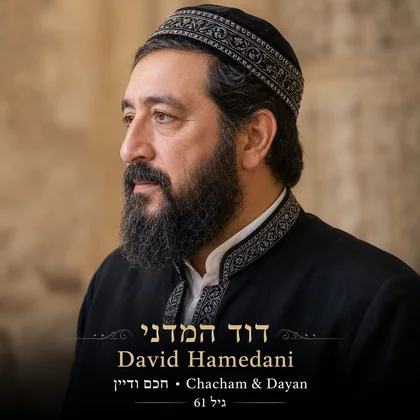
This study accompanies the song for V'zot HaBerachah, set at Malchut in Maqam Hijaz with an Or Chozer that returns to Saba and to Bereshit. Our Simchat Torah songs end not in a cadence but in a first point; this shiur ends the same way. We read five passages.
שיעור זה מלווה את השיר לפרשת וזאת הברכה, הערוך במלכות ובמקאם חג׳אז עם אור חוזר השב אל סבא ואל בראשית. שירי שמחת תורה שלנו מסתיימים לא בקדנצה אלא בנקודה ראשונה; שיעור זה מסתיים באותה דרך. נקרא חמישה מקורות.
1. This is the blessingא. וזאת הברכה
Deuteronomy 33:1 says, and this is the blessing with which Moshe, the man of Elohim, blessed the children of Yisrael before his death.
דברים לג, א אומר: וזאת הברכה אשר בירך משה איש האלהים את בני ישראל לפני מותו.
Moshe's last act before death is to bless, as Yaakov did at the end of Bereshit. The title man of Elohim appears here for the first time for Moshe in the Torah, a fact noted by many readers. As our reading, a royal completion ends not with demands but with blessing.
מעשהו האחרון של משה לפני מותו הוא לברך, כפי שעשה יעקב בסוף ספר בראשית. הכינוי איש האלהים מופיע כאן לראשונה לגבי משה בתורה, עובדה שקוראים רבים העירו עליה. בקריאתנו, השלמה מלכותית מסתיימת לא בדרישות אלא בברכה.
2. An inheritance of the congregationב. מורשה קהלת יעקב
Deuteronomy 33:4 says, Moshe commanded us a Torah, an inheritance of the congregation of Yaakov.
דברים לג, ד אומר: תורה צוה לנו משה, מורשה קהילת יעקב.
This is one of the first verses taught to children in many communities. The Torah is called an inheritance of the congregation, not of a select few. As our reflection, at the end of the year the Torah returns to every member of the community as something they already own.
זהו אחד הפסוקים הראשונים שמלמדים ילדים בקהילות רבות. התורה נקראת מורשה של הקהילה, ולא של מעטים נבחרים. כהתבוננות שלנו, בסוף השנה התורה חוזרת לכל אחד מבני הקהילה כדבר שכבר שייך לו.
3. I have let you see itג. הראיתיך בעיניך
Deuteronomy 34:4-5 says, HaShem said to him, this is the land which I swore to Avraham, to Yitzchak, and to Yaakov, saying, to your seed I will give it; I have let you see it with your eyes, but you shall not cross over there. And Moshe the servant of HaShem died there in the land of Moav, by the word of HaShem.
דברים לד, ד-ה אומר: ויאמר ה׳ אליו, זאת הארץ אשר נשבעתי לאברהם ליצחק וליעקב לאמר לזרעך אתננה; הראיתיך בעיניך ושמה לא תעבור. וימת שם משה עבד ה׳ בארץ מואב על פי ה׳.
Moshe's plea in Va'etchanan, let me see the good land, is partly answered: he sees with his eyes. And he dies by the word of HaShem, titled the servant of HaShem. As our reading, the story of the greatest prophet ends with an unfinished journey seen from a mountain.
תחינת משה בפרשת ואתחנן, ואראה את הארץ הטובה, נענית בחלקה: הוא רואה בעיניו. והוא מת על פי ה׳, בתואר עבד ה׳. בקריאתנו, סיפורו של הנביא הגדול מכולם מסתיים במסע שלא נשלם, הנראה מן ההר.
4. Face to faceד. פנים אל פנים
Deuteronomy 34:10-12 says, and there has not arisen again a prophet in Yisrael like Moshe, whom HaShem knew face to face, in all the signs and wonders, and in all the mighty hand and the great awe which Moshe did before the eyes of all Yisrael.
דברים לד, י-יב אומר: ולא קם נביא עוד בישראל כמשה אשר ידעו ה׳ פנים אל פנים, לכל האותות והמופתים ולכל היד החזקה ולכל המורא הגדול אשר עשה משה לעיני כל ישראל.
The Torah ends with the words before the eyes of all Yisrael. Rambam counts the uniqueness of Moshe's prophecy among the foundations of faith in his commentary on the Mishnah; we cite this in general terms. As our reading, the last words point to the whole people as witnesses.
התורה מסתיימת במילים לעיני כל ישראל. הרמב״ם מונה את ייחוד נבואת משה בין יסודות האמונה בפירושו למשנה; אנו מביאים זאת באופן כללי. בקריאתנו, המילים האחרונות מצביעות על העם כולו כעדים.
5. In the beginning, againה. בראשית, שוב
Genesis 1:1 says, in the beginning Elohim created the heavens and the earth. On Simchat Torah this verse is read immediately after the last words of Devarim, so that no day passes between the end and the beginning.
בראשית א, א אומר: בראשית ברא אלהים את השמים ואת הארץ. בשמחת תורה פסוק זה נקרא מיד אחרי המילים האחרונות של ספר דברים, כדי שלא יעבור יום בין הסוף להתחלה.
Many readers have noted that the Torah ends with the letter lamed, of Yisrael, and begins with the letter bet, of Bereshit, together forming lev, heart. We offer that as a known reading. The circle of the year returns to the first threshold, where this cycle began.
קוראים רבים העירו שהתורה מסתיימת באות למ״ד של ישראל ומתחילה באות בי״ת של בראשית, ויחד הן יוצרות לב. אנו מציעים זאת כקריאה ידועה. מעגל השנה חוזר אל הסף הראשון, שבו התחיל מחזור זה.
A first pointנקודה ראשונה
Our passages close the Torah with blessing, with an inheritance for all, with a journey seen but not completed, with a people as witnesses, and with a return to the first word. Royal completion here is not a cadence but a first point.
המקורות חותמים את התורה בברכה, במורשה לכולם, במסע שנראה ולא נשלם, בעם כעדים, ובחזרה אל המילה הראשונה. ההשלמה המלכותית כאן אינה קדנצה אלא נקודה ראשונה.
As the year closes, bless one person before you finish something together. Then return to the first shiur of this cycle and read Genesis 1:1 again, asking what you now hear in it that you did not hear a year ago.
בחתימת השנה, ברכו אדם אחד לפני שתסיימו דבר מה יחד. אחר כך חזרו אל השיעור הראשון במחזור זה וקראו שוב את בראשית א, א, ושאלו מה אתם שומעים בו עכשיו שלא שמעתם לפני שנה.
Keep the conversation goingממשיכים לשאול
- Why might Moshe's last act be a blessing?מדוע ייתכן שמעשהו האחרון של משה הוא ברכה?
- What does it mean that the Torah is "an inheritance of the congregation"?מה המשמעות שהתורה היא ״מורשה קהלת יעקב״?
- Why might the Torah end with an unfinished journey and begin again at once?מדוע ייתכן שהתורה מסתיימת במסע שלא נשלם ומתחילה מיד מחדש?
The source sheetדף המקורות
וְזֹ֣את הַבְּרָכָ֗ה אֲשֶׁ֨ר בֵּרַ֥ךְ מֹשֶׁ֛ה אִ֥ישׁ הָאֱלֹהִ֖ים אֶת־בְּנֵ֣י יִשְׂרָאֵ֑ל לִפְנֵ֖י מוֹתֽוֹ׃Westminster Leningrad Codex (Masoretic text) · Public Domain · Gottesname als אֲדֹנָי
Source text as supplied for this edition; divine names follow its spelling.נוסח המקור כפי שנמסר למהדורה זו; השמות נכתבו לפי נוסח המהדורה.
תּוֹרָ֥ה צִוָּה־לָ֖נוּ מֹשֶׁ֑ה מוֹרָשָׁ֖ה קְהִלַּ֥ת יַעֲקֹֽב׃Westminster Leningrad Codex (Masoretic text) · Public Domain · Gottesname als אֲדֹנָי
Source text as supplied for this edition; divine names follow its spelling.נוסח המקור כפי שנמסר למהדורה זו; השמות נכתבו לפי נוסח המהדורה.
וַיֹּ֨אמֶר אֲדֹנָ֜י אֵלָ֗יו זֹ֤את הָאָ֨רֶץ֙ אֲשֶׁ֣ר נִ֠שְׁבַּעְתִּי לְאַבְרָהָ֨ם לְיִצְחָ֤ק וּֽלְיַעֲקֹב֙ לֵאמֹ֔ר לְזַרְעֲךָ֖ אֶתְּנֶ֑נָּה הֶרְאִיתִ֣יךָ בְעֵינֶ֔יךָ וְשָׁ֖מָּה לֹ֥א תַעֲבֹֽר׃
וַיָּ֨מָת שָׁ֜ם מֹשֶׁ֧ה עֶֽבֶד־אֲדֹנָ֛י בְּאֶ֥רֶץ מוֹאָ֖ב עַל־פִּ֥י אֲדֹנָֽי׃Westminster Leningrad Codex (Masoretic text) · Public Domain · Gottesname als אֲדֹנָי
Source text as supplied for this edition; divine names follow its spelling.נוסח המקור כפי שנמסר למהדורה זו; השמות נכתבו לפי נוסח המהדורה.
וְלֹֽא־קָ֨ם נָבִ֥יא ע֛וֹד בְּיִשְׂרָאֵ֖ל כְּמֹשֶׁ֑ה אֲשֶׁר֙ יְדָע֣וֹ אֲדֹנָ֔י פָּנִ֖ים אֶל־פָּנִֽים׃
לְכָל־הָ֨אֹת֜וֹת וְהַמּוֹפְתִ֗ים אֲשֶׁ֤ר שְׁלָחוֹ֙ אֲדֹנָ֔י לַעֲשׂ֖וֹת בְּאֶ֣רֶץ מִצְרָ֑יִם לְפַרְעֹ֥ה וּלְכָל־עֲבָדָ֖יו וּלְכָל־אַרְצֽוֹ׃
וּלְכֹל֙ הַיָּ֣ד הַחֲזָקָ֔ה וּלְכֹ֖ל הַמּוֹרָ֣א הַגָּד֑וֹל אֲשֶׁר֙ עָשָׂ֣ה מֹשֶׁ֔ה לְעֵינֵ֖י כָּל־יִשְׂרָאֵֽל׃Westminster Leningrad Codex (Masoretic text) · Public Domain · Gottesname als אֲדֹנָי
Source text as supplied for this edition; divine names follow its spelling.נוסח המקור כפי שנמסר למהדורה זו; השמות נכתבו לפי נוסח המהדורה.
בְּרֵאשִׁ֖ית בָּרָ֣א אֱלֹהִ֑ים אֵ֥ת הַשָּׁמַ֖יִם וְאֵ֥ת הָאָֽרֶץ׃Westminster Leningrad Codex (Masoretic text) · Public Domain · Gottesname als אֲדֹנָי
Source text as supplied for this edition; divine names follow its spelling.נוסח המקור כפי שנמסר למהדורה זו; השמות נכתבו לפי נוסח המהדורה.