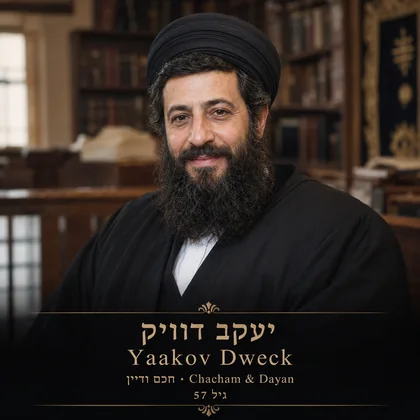
How can a day of joy hold a loss without denying either?
כיצד יכול יום של שמחה להכיל אובדן בלי להכחיש אף אחד מהם?
Read the inauguration of the eighth day, the fire, the death of Nadav and Avihu, Aharon's silence, and the charge to distinguish between holy and ordinary, and ask how beauty and grief stand together in a single day.
לקרוא את חנוכת היום השמיני, את האש, את מות נדב ואביהוא, את שתיקת אהרן ואת הציווי להבדיל בין קודש לחול, ולשאול כיצד תפארת וצער עומדים יחד ביום אחד.
A royal inaugurationחנוכה מלכותית
After seven days at the entrance, the eighth day arrives. It is a day of completion and glory, and it is also a day of sudden death. Parashat Shemini does not separate the two.
אחרי שבעה ימים בפתח מגיע היום השמיני. זהו יום של השלמה וכבוד, והוא גם יום של מוות פתאומי. פרשת שמיני אינה מפרידה בין השניים.
This study accompanies the song for Parashat Shemini, set at Tiferet in Maqam Rast, a royal inauguration. We read four passages and approach the loss in this parashah with care, without explaining it away.
שיעור זה מלווה את השיר לפרשת שמיני, הערוך בתפארת ובמקאם ראסט, חנוכה מלכותית. נקרא ארבעה מקורות ונתקרב לאובדן שבפרשה זו בזהירות, בלי להסביר אותו לכאן ולכאן.
1. On the eighth dayא. ביום השמיני
Leviticus 9:1 says, and it was on the eighth day that Moshe called to Aharon and his sons and to the elders of Yisrael. After seven days of preparation, a new day begins, and its first act is a call that gathers priests and elders together.
ויקרא ט, א אומר: ויהי ביום השמיני קרא משה לאהרן ולבניו ולזקני ישראל. אחרי שבעה ימי הכנה מתחיל יום חדש, ומעשהו הראשון הוא קריאה המאספת כהנים וזקנים יחד.
Seven completes a cycle; the eighth goes beyond it. Many have read the number eight in this way, and we note it as a reading. What the verse itself shows is that the inauguration involves not only priests but the elders of the people.
שבע משלים מחזור; השמיני חורג ממנו. רבים קראו כך את המספר שמונה, ואנו מציינים זאת כקריאה. מה שהפסוק עצמו מראה הוא שהחנוכה כוללת לא רק כהנים אלא גם את זקני העם.
2. The people saw and shoutedב. וירא כל העם וירנו
Leviticus 9:23-24 says that Moshe and Aharon came out and blessed the people, and the glory of HaShem appeared to all the people. Fire went out from before HaShem and consumed the burnt offering on the altar, and all the people saw, shouted for joy, and fell on their faces.
ויקרא ט, כג-כד אומר שיצאו משה ואהרן ויברכו את העם, וירא כבוד ה׳ אל כל העם. ותצא אש מלפני ה׳ ותאכל על המזבח את העולה, וירא כל העם וירונו ויפלו על פניהם.
The people respond with two gestures at once: a shout of joy and falling on their faces. Joy and awe are joined. As our reflection, the fullest moments of beauty may contain both celebration and humility.
העם מגיב בשתי תנועות בבת אחת: רינה ונפילה על הפנים. שמחה ויראה מתחברות. כהתבוננות שלנו, רגעי התפארת המלאים ביותר עשויים להכיל גם חגיגה וגם ענווה.
3. And Aharon was silentג. וידם אהרן
Leviticus 10:1-3 says that Nadav and Avihu, sons of Aharon, offered before HaShem a strange fire that he had not commanded them, and fire went out from before HaShem and consumed them. Moshe spoke to Aharon, and Aharon was silent.
ויקרא י, א-ג אומר שנדב ואביהוא בני אהרן הקריבו לפני ה׳ אש זרה אשר לא ציוה אותם, ותצא אש מלפני ה׳ ותאכל אותם. משה דיבר אל אהרן, וידום אהרן.
The same phrase, fire went out from before HaShem, appears in both chapters, once in acceptance and once in death. The reasons for what happened to Nadav and Avihu have been discussed at length, and we do not choose among them. We stay with Aharon's silence, which the text records and does not interpret.
אותו צירוף, ותצא אש מלפני ה׳, מופיע בשני הפרקים, פעם בקבלה ופעם במוות. הסיבות למה שקרה לנדב ולאביהוא נדונו בהרחבה, ואיננו בוחרים ביניהן. אנו נשארים עם שתיקת אהרן, שהכתוב מתעד ואינו מפרש.
4. To distinguishד. ולהבדיל
Leviticus 10:10-11 gives the priests their task: to distinguish between the holy and the ordinary, and between the impure and the pure, and to teach the children of Yisrael all the statutes that HaShem has spoken to them by the hand of Moshe.
ויקרא י, י-יא נותן לכהנים את משימתם: ולהבדיל בין הקודש ובין החול ובין הטמא ובין הטהור, ולהורות את בני ישראל את כל החוקים אשר דיבר ה׳ אליהם ביד משה.
After the loss, the priests receive a task of discernment and teaching. The text does not explain the loss; it entrusts a responsibility. As our reading, after a day that held both glory and grief, what remains is the work of careful distinction and patient teaching.
אחרי האובדן מקבלים הכהנים משימה של הבחנה והוראה. הכתוב אינו מסביר את האובדן; הוא מפקיד אחריות. בקריאתנו, אחרי יום שהחזיק גם כבוד וגם צער, מה שנשאר הוא עבודת ההבחנה הזהירה וההוראה הסבלנית.
Beauty and grief in one dayתפארת וצער ביום אחד
The eighth day held a call, a blessing, glory, joy and awe, a sudden death, a silence, and a task. The parashah does not ask the reader to choose between the joy and the loss. It shows how a community continues after both.
היום השמיני החזיק קריאה, ברכה, כבוד, שמחה ויראה, מוות פתאומי, שתיקה ומשימה. הפרשה אינה מבקשת מן הקורא לבחור בין השמחה לאובדן. היא מראה כיצד קהילה ממשיכה אחרי שניהם.
This week, when you are with someone who carries a loss on a day of celebration, allow silence where words would explain too much. Then ask what task you can help them carry.
השבוע, כאשר תהיו עם אדם הנושא אובדן ביום של חגיגה, תנו מקום לשתיקה במקום שבו מילים היו מסבירות יותר מדי. אחר כך שאלו איזו משימה תוכלו לעזור לו לשאת.
Keep the conversation goingממשיכים לשאול
- Why might the people respond with both a shout of joy and falling on their faces?מדוע ייתכן שהעם מגיב גם ברינה וגם בנפילה על הפנים?
- What does Aharon's silence teach about responding to loss?מה מלמדת שתיקת אהרן על התגובה לאובדן?
- Why might the task of distinguishing be given right after the loss?מדוע ייתכן שמשימת ההבדלה ניתנת מיד אחרי האובדן?
The source sheetדף המקורות
וַיְהִי֙ בַּיּ֣וֹם הַשְּׁמִינִ֔י קָרָ֣א מֹשֶׁ֔ה לְאַהֲרֹ֖ן וּלְבָנָ֑יו וּלְזִקְנֵ֖י יִשְׂרָאֵֽל׃Westminster Leningrad Codex (Masoretic text) · Public Domain · Gottesname als אֲדֹנָי
Source text as supplied for this edition; divine names follow its spelling.נוסח המקור כפי שנמסר למהדורה זו; השמות נכתבו לפי נוסח המהדורה.
וַיָּבֹ֨א מֹשֶׁ֤ה וְאַהֲרֹן֙ אֶל־אֹ֣הֶל מוֹעֵ֔ד וַיֵּ֣צְא֔וּ וַֽיְבָרֲכ֖וּ אֶת־הָעָ֑ם וַיֵּרָ֥א כְבוֹד־אֲדֹנָ֖י אֶל־כָּל־הָעָֽם׃
וַתֵּ֤צֵא אֵשׁ֙ מִלִּפְנֵ֣י אֲדֹנָ֔י וַתֹּ֨אכַל֙ עַל־הַמִּזְבֵּ֔חַ אֶת־הָעֹלָ֖ה וְאֶת־הַחֲלָבִ֑ים וַיַּ֤רְא כָּל־הָעָם֙ וַיָּרֹ֔נּוּ וַֽיִּפְּל֖וּ עַל־פְּנֵיהֶֽם׃Westminster Leningrad Codex (Masoretic text) · Public Domain · Gottesname als אֲדֹנָי
Source text as supplied for this edition; divine names follow its spelling.נוסח המקור כפי שנמסר למהדורה זו; השמות נכתבו לפי נוסח המהדורה.
וַיִּקְח֣וּ בְנֵֽי־אַ֠הֲרֹן נָדָ֨ב וַאֲבִיה֜וּא אִ֣ישׁ מַחְתָּת֗וֹ וַיִּתְּנ֤וּ בָהֵן֙ אֵ֔שׁ וַיָּשִׂ֥ימוּ עָלֶ֖יהָ קְטֹ֑רֶת וַיַּקְרִ֜בוּ לִפְנֵ֤י אֲדֹנָ֙י אֵ֣שׁ זָרָ֔ה אֲשֶׁ֧ר לֹ֦א צִוָּ֖ה אֹתָֽם׃
וַתֵּ֥צֵא אֵ֛שׁ מִלִּפְנֵ֥י אֲדֹנָ֖י וַתֹּ֣אכַל אוֹתָ֑ם וַיָּמֻ֖תוּ לִפְנֵ֥י אֲדֹנָֽי׃
וַיֹּ֨אמֶר מֹשֶׁ֜ה אֶֽל־אַהֲרֹ֗ן הוּא֩ אֲשֶׁר־דִּבֶּ֨ר אֲדֹנָ֤י ׀ לֵאמֹר֙ בִּקְרֹבַ֣י אֶקָּדֵ֔שׁ וְעַל־פְּנֵ֥י כָל־הָעָ֖ם אֶכָּבֵ֑ד וַיִּדֹּ֖ם אַהֲרֹֽן׃Westminster Leningrad Codex (Masoretic text) · Public Domain · Gottesname als אֲדֹנָי
Source text as supplied for this edition; divine names follow its spelling.נוסח המקור כפי שנמסר למהדורה זו; השמות נכתבו לפי נוסח המהדורה.
וּֽלֲהַבְדִּ֔יל בֵּ֥ין הַקֹּ֖דֶשׁ וּבֵ֣ין הַחֹ֑ל וּבֵ֥ין הַטָּמֵ֖א וּבֵ֥ין הַטָּהֽוֹר׃
וּלְהוֹרֹ֖ת אֶת־בְּנֵ֣י יִשְׂרָאֵ֑ל אֵ֚ת כָּל־הַ֣חֻקִּ֔ים אֲשֶׁ֨ר דִּבֶּ֧ר אֲדֹנָ֛י אֲלֵיהֶ֖ם בְּיַד־מֹשֶֽׁה׃ {פ}Westminster Leningrad Codex (Masoretic text) · Public Domain · Gottesname als אֲדֹנָי
Source text as supplied for this edition; divine names follow its spelling.נוסח המקור כפי שנמסר למהדורה זו; השמות נכתבו לפי נוסח המהדורה.