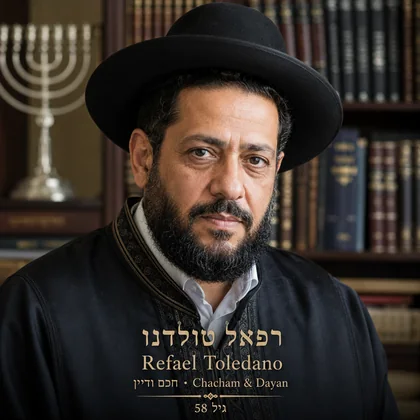
What does it mean to finish well?
מה פירוש לסיים היטב?
Read Yaakov's final request, his blessing of Yosef's sons, the words to Yehuda, and Yosef's words after his father's death as a picture of completion, and ask what a life, a book, or a relationship needs in order to close faithfully.
לקרוא את בקשתו האחרונה של יעקב, את ברכת בני יוסף, את הדברים ליהודה ואת דברי יוסף אחרי מות אביו כתמונה של השלמה, ולשאול מה צריכים חיים, ספר או קשר כדי להיחתם בנאמנות.
A royal homecomingשיבה מלכותית
Vayechi closes the book of Bereshit. A father gathers his sons, asks to be carried home, and blesses. The first book of the Torah ends not with an achievement but with a family facing its future.
פרשת ויחי חותמת את ספר בראשית. אב מאסף את בניו, מבקש שיישאו אותו הביתה ומברך. הספר הראשון של התורה אינו מסתיים בהישג אלא במשפחה העומדת מול עתידה.
This study accompanies the song for Parashat Vayechi, set at Malchut in Maqam Hijaz, the royal homecoming that completes the book. We read five passages, each from a different moment at the end of the book.
שיעור זה מלווה את השיר לפרשת ויחי, הערוך במלכות ובמקאם חג׳אז, השיבה המלכותית החותמת את הספר. נקרא חמישה מקורות, כל אחד מרגע אחר בסוף הספר.
1. Kindness and truthא. חסד ואמת
Genesis 47:29-30 says that the days of Yisrael drew near to die; he called Yosef and asked him to place his hand under his thigh and do with him kindness and truth, do not bury me in Egypt. Let me lie with my fathers. Yosef answers, I will do as you say.
בראשית מז, כט-ל אומר שקרבו ימי ישראל למות; הוא קרא ליוסף וביקש ממנו לשים ידו תחת ירכו ולעשות עמו חסד ואמת: אל נא תקברני במצרים, ושכבתי עם אבותי. יוסף עונה: אנכי אעשה כדברך.
Yaakov's last request concerns belonging: where he will rest and with whom. The text calls fulfilling it kindness and truth. Interpreters have explained this pairing in different ways; we note simply that finishing well includes asking clearly for what matters and entrusting it to someone who can carry it out.
בקשתו האחרונה של יעקב נוגעת לשייכות: היכן ינוח ועם מי. הכתוב קורא למילויה חסד ואמת. פרשנים הסבירו צירוף זה בדרכים שונות; אנו מציינים רק שסיום טוב כולל בקשה ברורה של מה שחשוב והפקדתו בידי מי שיכול לבצעו.
2. The God who shepherded meב. האלהים הרועה אותי
In Genesis 48:15-16 Yaakov blesses Yosef and speaks of HaElohim before whom his fathers walked, HaElohim who has shepherded me from my beginning until this day, the angel who redeems me from all evil; may he bless the lads, and may my name and the name of my fathers be called upon them.
בבראשית מח, טו-טז יעקב מברך את יוסף ומדבר על האלהים אשר התהלכו אבותיו לפניו, האלהים הרועה אותי מעודי עד היום הזה, המלאך הגואל אותי מכל רע; יברך את הנערים, ויקרא בהם שמי ושם אבותי.
At the end of a hard life, Yaakov describes it as being shepherded from the beginning until this day, without denying the evil he was redeemed from. The blessing then reaches forward to grandchildren. Finishing well may include finding words that hold both, and passing them on.
בסוף חיים קשים, יעקב מתאר אותם כרעייה מעודו ועד היום הזה, בלי להכחיש את הרע שממנו נגאל. הברכה נמשכת אחר כך קדימה אל הנכדים. סיום טוב יכול לכלול מציאת מילים המחזיקות את שניהם, ומסירתן הלאה.
3. The scepter shall not departג. לא יסור שבט
Genesis 49:10 says of Yehuda, the scepter shall not depart from Yehuda, nor the ruler's staff from between his feet, until Shiloh comes, and to him shall be the obedience of peoples. Among all the blessings, this one speaks of kingship.
בראשית מט, י אומר על יהודה: לא יסור שבט מיהודה ומחוקק מבין רגליו עד כי יבא שילה ולו יקהת עמים. מכל הברכות, זו מדברת על מלכות.
The word Shiloh has been read in several ways, and Jewish tradition has heard in this verse the kingship of the house of David and its future. We note that Yehuda, who in earlier chapters admitted his wrong and offered himself for his brother, is the one to whom rule is promised. That connection is our reading across the book.
המילה שילה נקראה בכמה דרכים, והמסורת היהודית שמעה בפסוק זה את מלכות בית דוד ואת עתידה. אנו מציינים שיהודה, שבפרקים קודמים הודה בעוולתו והציע את עצמו בעד אחיו, הוא שאליו מובטח השלטון. קשר זה הוא קריאתנו לאורך הספר.
4. Am I in place of Elohim?ד. התחת אלהים אני?
After Yaakov's death, in Genesis 50:19-21, Yosef says to his brothers, do not be afraid, for am I in place of Elohim? You intended evil against me; Elohim intended it for good, to keep many people alive. I will sustain you and your little ones. And he comforted them and spoke to their hearts.
אחרי מות יעקב, בבראשית נ, יט-כא, יוסף אומר לאחיו: אל תיראו, כי התחת אלהים אני? ואתם חשבתם עלי רעה, אלהים חשבה לטובה, להחיות עם רב. אנכי אכלכל אתכם ואת טפכם. וינחם אותם וידבר על לבם.
Yosef declines to stand in the place of judgment over his brothers. He names their intent honestly and still promises to provide for them. As we read these closing chapters, the book of Bereshit ends not with revenge but with someone speaking to another's heart.
יוסף מסרב לעמוד במקום השיפוט על אחיו. הוא קורא בכנות בשם לכוונתם ובכל זאת מבטיח לכלכל אותם. כפי שאנו קוראים את פרקי הסיום, ספר בראשית אינו מסתיים בנקמה אלא באדם המדבר אל לבו של אחר.
Closing a bookלחתום ספר
Our passages show kinds of closure: a clear request entrusted to another, a blessing that holds a whole life and reaches the next generation, a promise of rule to the one who learned to take responsibility, and words that end fear without denying wrong.
המקורות שלנו מראים סוגים של חתימה: בקשה ברורה המופקדת בידי אחר, ברכה המחזיקה חיים שלמים ומגיעה לדור הבא, הבטחת שלטון למי שלמד לקחת אחריות, ומילים המסיימות פחד בלי להכחיש עוול.
As the first book closes, name one relationship or task that needs a faithful ending, and one word that could help bring it: a clear request, a blessing, or a reassurance. Say it before the week is out.
בחתימת הספר הראשון, קראו בשם לקשר אחד או למשימה אחת הזקוקים לסיום נאמן, ולמילה אחת שיכולה לסייע להביאו: בקשה ברורה, ברכה או הרגעה. אמרו אותה לפני תום השבוע.
Keep the conversation goingממשיכים לשאול
- Why might Yaakov call the fulfillment of a burial request kindness and truth?מדוע ייתכן שיעקב קורא למילוי בקשת קבורה חסד ואמת?
- How can a person describe a hard life as one in which they were shepherded?כיצד יכול אדם לתאר חיים קשים כחיים שבהם היה מרועה?
- Why might kingship be promised to the brother who first admitted his wrong?מדוע ייתכן שהמלכות מובטחת לאח שהודה ראשון בעוולתו?
- What does "am I in place of Elohim?" teach about the limits of judging others?מה מלמדת השאלה ״התחת אלהים אני?״ על גבולות השיפוט של אחרים?
The source sheetדף המקורות
וַיִּקְרְב֣וּ יְמֵֽי־יִשְׂרָאֵ֘ל לָמוּת֒ וַיִּקְרָ֣א ׀ לִבְנ֣וֹ לְיוֹסֵ֗ף וַיֹּ֤אמֶר לוֹ֙ אִם־נָ֨א מָצָ֤אתִי חֵן֙ בְּעֵינֶ֔יךָ שִֽׂים־נָ֥א יָדְךָ֖ תַּ֣חַת יְרֵכִ֑י וְעָשִׂ֤יתָ עִמָּדִי֙ חֶ֣סֶד וֶאֱמֶ֔ת אַל־נָ֥א תִקְבְּרֵ֖נִי בְּמִצְרָֽיִם׃
וְשָֽׁכַבְתִּי֙ עִם־אֲבֹתַ֔י וּנְשָׂאתַ֨נִי֙ מִמִּצְרַ֔יִם וּקְבַרְתַּ֖נִי בִּקְבֻרָתָ֑ם וַיֹּאמַ֕ר אָנֹכִ֖י אֶֽעֱשֶׂ֥ה כִדְבָרֶֽךָ׃Westminster Leningrad Codex (Masoretic text) · Public Domain · Gottesname als אֲדֹנָי
Source text as supplied for this edition; divine names follow its spelling.נוסח המקור כפי שנמסר למהדורה זו; השמות נכתבו לפי נוסח המהדורה.
וַיְבָ֥רֶךְ אֶת־יוֹסֵ֖ף וַיֹּאמַ֑ר הָֽאֱלֹהִ֡ים אֲשֶׁר֩ הִתְהַלְּכ֨וּ אֲבֹתַ֤י לְפָנָיו֙ אַבְרָהָ֣ם וְיִצְחָ֔ק הָֽאֱלֹהִים֙ הָרֹעֶ֣ה אֹתִ֔י מֵעוֹדִ֖י עַד־הַיּ֥וֹם הַזֶּֽה׃
הַמַּלְאָךְ֩ הַגֹּאֵ֨ל אֹתִ֜י מִכָּל־רָ֗ע יְבָרֵךְ֮ אֶת־הַנְּעָרִים֒ וְיִקָּרֵ֤א בָהֶם֙ שְׁמִ֔י וְשֵׁ֥ם אֲבֹתַ֖י אַבְרָהָ֣ם וְיִצְחָ֑ק וְיִדְגּ֥וּ לָרֹ֖ב בְּקֶ֥רֶב הָאָֽרֶץ׃Westminster Leningrad Codex (Masoretic text) · Public Domain · Gottesname als אֲדֹנָי
Source text as supplied for this edition; divine names follow its spelling.נוסח המקור כפי שנמסר למהדורה זו; השמות נכתבו לפי נוסח המהדורה.
לֹֽא־יָס֥וּר שֵׁ֨בֶט֙ מִֽיהוּדָ֔ה וּמְחֹקֵ֖ק מִבֵּ֣ין רַגְלָ֑יו עַ֚ד כִּֽי־יָבֹ֣א (שילה) [שִׁיל֔וֹ] וְל֖וֹ יִקְּהַ֥ת עַמִּֽים׃Westminster Leningrad Codex (Masoretic text) · Public Domain · Gottesname als אֲדֹנָי
Source text as supplied for this edition; divine names follow its spelling.נוסח המקור כפי שנמסר למהדורה זו; השמות נכתבו לפי נוסח המהדורה.
וַיֹּ֧אמֶר אֲלֵהֶ֛ם יוֹסֵ֖ף אַל־תִּירָ֑אוּ כִּ֛י הֲתַ֥חַת אֱלֹהִ֖ים אָֽנִי׃
וְאַתֶּ֕ם חֲשַׁבְתֶּ֥ם עָלַ֖י רָעָ֑ה אֱלֹהִים֙ חֲשָׁבָ֣הּ לְטֹבָ֔ה לְמַ֗עַן עֲשֹׂ֛ה כַּיּ֥וֹם הַזֶּ֖ה לְהַחֲיֹ֥ת עַם־רָֽב׃
וְעַתָּה֙ אַל־תִּירָ֔אוּ אָנֹכִ֛י אֲכַלְכֵּ֥ל אֶתְכֶ֖ם וְאֶֽת־טַפְּכֶ֑ם וַיְנַחֵ֣ם אוֹתָ֔ם וַיְדַבֵּ֖ר עַל־לִבָּֽם׃Westminster Leningrad Codex (Masoretic text) · Public Domain · Gottesname als אֲדֹנָי
Source text as supplied for this edition; divine names follow its spelling.נוסח המקור כפי שנמסר למהדורה זו; השמות נכתבו לפי נוסח המהדורה.