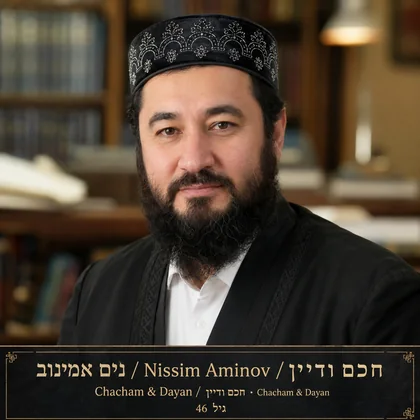
How does the argument develop across both sides of this daf?
כיצד מתפתח הדיון בשני עמודי הדף?
Ben Yehoyadaבן יהוידע
Ben Yehoyada, the commentary of Rabbi Yosef Ḥayyim of Baghdad (the Ben Ish Ḥai) on the Talmud, records no comment on Gittin 15a or 15b. His remarks on this tractate are selective and gather around aggadic passages and textual cruxes; the nearest earlier comment is on Gittin 14b and the next one is on Gittin 16a. The essence of this daf therefore rests on the Gemara itself. Ben Yehoyada on Gittin 15a–15b: no comment in the edition · Senlake edition 2019 based on Ben Yehoyada, Jerusalem, 1897
בן יהוידע, פירושו של רבי יוסף חיים מבגדאד (בעל הבן איש חי) על התלמוד, אינו מביא דברים על גיטין ט״ו ע״א או ע״ב. דבריו על המסכת סלקטיביים ומתרכזים סביב קטעי אגדה וקושיות בנוסח; ההערה הקרובה הקודמת היא על גיטין י״ד ע״ב, והבאה היא על גיטין ט״ז ע״א. לכן תמצית הדף הזה נשענת על הגמרא עצמה. Ben Yehoyada on Gittin 15a–15b: no comment in the edition · Senlake edition 2019 based on Ben Yehoyada, Jerusalem, 1897
The mother of the Benei Rokhelאמם של בני רוכל
The Sages cited an incident against Rabbi Elazar: the mother of the Benei Rokhel was ill and said, “let my head ornament be given to my daughter”; it was worth twelve maneh; she died, and the Sages upheld her words. The sons, angry at losing it, said: may their mother bury them. A dying woman’s spoken instruction was enforced without any formal acquisition.
חכמים הביאו מעשה נגד רבי אלעזר: אמם של בני רוכל הייתה חולה ואמרה ״תינתן כבינתי לבתי״, והיא בשנים עשר מנה, ומתה, וקיימו חכמים את דבריה. אמרו להם בני רוכל: תקברם אמם. הוראתה בעל פה של אישה גוססת קוימה בלי שום קניין פורמלי.
The Gemara maps the baraita of daf 14 onto this dispute. The first tanna and Rabbi Natan and Rabbi Yaakov follow Rabbi Elazar, and do not apply “it is a mitzvah to fulfill the words of the dead.” “Some say” follows the Sages. Rabbi Yehuda ha-Nasi follows Rabbi Elazar but applies the mitzvah when the sender has died.
הגמרא ממפה את ברייתת דף י״ד על מחלוקת זו. תנא קמא כרבי אלעזר, ורבי נתן ורבי יעקב נמי כרבי אלעזר, ואף על גב דמית לא אמרינן מצוה לקיים דברי המת. ויש אומרים כרבנן. רבי יהודה הנשיא כרבי אלעזר, מיהו היכא דמית אמרינן מצוה לקיים דברי המת.
“The Sages say divide” because they are in doubt; “here they said, let the agent do as he wishes,” because in a doubt, discretion, shuda, is preferable; and Rabban Shimon ha-Nasi came to report an actual case. Each voice in the baraita now has a defined legal position.
וחכמים אומרים יחלוקו, מספקא להו; וכאן אמרו, שודא עדיף; ורבי שמעון הנשיא, מעשה אתא לאשמועינן. כל קול בברייתא מקבל עתה עמדה הלכתית מוגדרת.
Rabban Shimon ha-Nasi and Rav Yosef’s rulingרבן שמעון הנשיא ופסק רב יוסף
The Gemara asks: was Rabban Shimon ha-Nasi himself a Nasi, or did he speak in the name of a Nasi? Rav Yosef’s ruling that the halakha follows Rabban Shimon ha-Nasi does not resolve it, since the question remains whether “ha-Nasi” is his title or his source. It remains unresolved, teiku.
אבעיא להו: רבי שמעון הנשיא, נשיא הוא, או משמיה דנשיא קאמר? תא שמע, דאמר רב יוסף הלכה כרבי שמעון הנשיא. ועדיין תיבעי לך: נשיא הוא, או דקאמר משמיה דנשיא? תיקו.
Rav Yosef’s ruling is then challenged: we hold that a dying man’s words are as if written and delivered, so how can the money return to the sender’s heirs? Rav Yosef sets the case in a healthy sender, whose words alone do not transfer.
גופא: אמר רב יוסף הלכה כרבי שמעון הנשיא. והא קיימא לן דברי שכיב מרע ככתובין וכמסורין דמו! רב יוסף מוקי לה בבריא, שדבריו לבדם אינם מקנים.
But he says “to the sender’s heirs,” and we hold it is a mitzvah to fulfill the words of the dead. The Gemara emends: read “return to the sender.” The ruling survives through a textual correction that changes the case from after the sender’s death to during his life.
והא ״ליורשי משלח״ קאמר, וקיימא לן מצוה לקיים דברי המת! תני: יחזרו למשלח. הפסק שורד בזכות תיקון נוסח, המעביר את המקרה מלאחר מות השולח לחייו.
Partial declarationsאמירות חלקיות
Chapter one ends, and chapter two opens with a mishnah. If the agent said “before me it was written” but not “signed,” or “signed” but not “written,” or “all was written and half signed,” or “half written and all signed,” the get is invalid. One says “written before me” and another “signed before me”: invalid. Two say “written before us” and one says “signed before me”: invalid, and Rabbi Yehuda validates. One says “written before me” and two say “signed before us”: valid.
הדרן עלך המביא קמא. המשנה: המביא גט ממדינת הים ואמר בפני נכתב אבל לא בפני נחתם, בפני נחתם אבל לא בפני נכתב, בפני נכתב כולו ובפני נחתם חציו, בפני נכתב חציו ובפני נחתם כולו, פסול. אחד אומר בפני נכתב ואחד אומר בפני נחתם, פסול. שניים אומרים בפנינו נכתב ואחד אומר בפני נחתם, פסול, ורבי יהודה מכשיר. אחד אומר בפני נכתב ושניים אומרים בפנינו נחתם, כשר.
Why repeat what chapter one already taught, that the agent must declare both? From that one might have thought the declaration is required initially, but if he did not say it, the get is still valid. The new mishnah teaches that it is invalid. The repetition upgrades the requirement from preferred procedure to condition of validity.
הא תו למה לי? הא תנא ליה חדא זימנא! אי מההיא, הוה אמינא צריך, ואי לא אמר כשר; קא משמע לן. החזרה מעלה את הדרישה מנוהל רצוי לתנאי לתוקף.
Which half was written before him? If the first half, Rabbi Elazar said that even one line written lishmah is enough. Rav Ashi answers: the last half. If only the end was seen, the opening, with the names, may not have been written for this woman.
״בפני נכתב חציו ובפני נחתם כולו, פסול״: הי חציו? אילימא חציו ראשון, והאמר רבי אלעזר אפילו לא כתב בו אלא שיטה אחת לשמה שוב אינו צריך! אלא אמר רב אשי: חציו אחרון. אם ראה רק את הסוף, ייתכן שהפתיחה, ובה השמות, לא נכתבה לשם אישה זו.
Can two methods of proof be combined?האם אפשר לצרף שתי דרכי ראיה?
On “all written and half signed,” Rav Ḥisda says: even if two witnesses testify to the second signature, it is invalid. Either the whole get is validated by confirmation of signatures, or the whole by the Sages’ enactment of the agent’s declaration. Two methods may not be mixed.
״בפני נכתב כולו ובפני נחתם חציו, פסול״: אמר רב חסדא, ואפילו שניים מעידים על חתימת יד שני, פסול. מאי טעמא? או כולו בקיום הגט, או כולו בתקנת חכמים. אין לערב שתי דרכים.
Rava objects: can it be that if he alone said it, the get is valid, but now that there are two more, it is invalid? Rather, Rava says: even if he and another testify to the second signature, it is invalid, because people would confuse it with ordinary document confirmation, where three-quarters of the money would be extracted on the word of one witness.
מתקיף לה רבא: מי איכא מידי דאילו אמר חד כשר, השתא דאיכא תרי פסול? אלא אמר רבא: אפילו הוא ואחר מעידין על חתימת יד שני, פסול. מאי טעמא? אתו לאיחלופי בקיום שטרות דעלמא, וקא נפיק נכי ריבעא דממונא אפומא דחד סהדא.
Rav Ashi objects to Rava in the same form: if he said the whole declaration alone, it is valid; now that another joins him, invalid? Rather Rav Ashi says: even if he says “I am the second witness,” it is invalid, for either all by confirmation or all by the Sages’ enactment. Rav Ashi returns to Rav Ḥisda’s principle with a narrower case.
מתקיף לה רב אשי: מי איכא מידי דאילו מסיק ליה איהו לכוליה דיבורא כשר, השתא דאיכא חד בהדיה פסול? אלא אמר רב אשי: אפילו אומר ״אני הוא עד שני״, פסול; או כולו בקיום הגט, או כולו בתקנת חכמים. רב אשי חוזר לעקרון רב חסדא במקרה צר יותר.
Testing the three views against the mishnahבחינת שלוש השיטות מול המשנה
The mishnah says “all written and half signed” is invalid. How is the other half attested? If no one testifies to it at all, that is obvious, since even one who saw all the writing and another who saw all the signing are invalid. So the case must be like Rava’s or like Rav Ashi’s, which excludes Rav Ḥisda.
תנן: בפני נכתב כולו ובפני נחתם חציו, פסול. אידך חציו היכי דמי? אילימא דליכא דקא מסהיד עליה כלל, השתא אחד אומר בפני נכתב ואחד אומר בפני נחתם, דהאי קמסהיד אכולה כתיבה והאי אכולה חתימה, פסול; חציו מיבעיא? אלא או כדרבא או כדרב אשי, ולאפוקי מדרב חסדא.
Rav Ḥisda replies: by your reasoning, why does the mishnah need “written but not signed”? It teaches “not this, but even this,” lo zo af zo, listing an obvious case before a less obvious one. Here too it teaches lo zo af zo. A style of mishnaic listing defends him from the inference.
אמר לך רב חסדא: ולטעמיך, בפני נכתב אבל לא בפני נחתם למה לי? אלא לא זו אף זו קתני; הכא נמי, לא זו אף זו קתני. סגנון מנייה של המשנה מגן עליו מפני הדיוק.
The debate shows that Rav Ḥisda’s principle is not merely about evidence, but about legal categories. The agent’s declaration is a special rabbinic institution; confirmation by witnesses is the general law of documents. Mixing them could blur the boundary between a lenient enactment and the ordinary standard.
הוויכוח מראה שעקרון רב חסדא אינו רק עניין של ראיות אלא של קטגוריות משפטיות. אמירת השליח היא מוסד דרבנן מיוחד; קיום בעדים הוא הדין הכללי של שטרות. ערבובם עלול לטשטש את הגבול בין תקנה מקילה לבין הסטנדרט הרגיל.
Parallels in Shabbat and purityמקבילות בשבת ובטהרה
Rav Ḥisda applies the same logic to Shabbat: an embankment five handbreadths deep and a partition five handbreadths high do not combine to form a ten-handbreadth boundary of a private domain; it must be all embankment or all partition. Mareimar expounded that they do combine, and the halakha is that they combine. Rav Ḥisda’s principle of uniform method does not prevail in this domain.
אמר רב חסדא: גידוד חמישה ומחיצה חמישה אין מצטרפין, עד שיהא או כולו במחיצה או כולו בגידוד. דרש מרימר: גידוד חמישה ומחיצה חמישה מצטרפין. והלכתא: מצטרפין. עקרונו של רב חסדא על דרך אחידה אינו גובר בתחום זה.
Ilfa asked a related question: can hands become pure in halves? If two people wash from a revi’it, the mishnah already permits it. If one washed each hand separately, the mishnah already says one hand by pouring and one by immersion are pure. If he washed half of a hand at a time, the school of Rabbi Yannai already said hands are not purified in halves.
בעי אילפא: ידיים טהורות לחצאין, או אין טהורות לחצאין? היכי דמי? אילימא דקא משו בי תרי מרביעית, והא תנן מרביעית נוטלין לידיים לאחד ואפילו לשניים! ואלא דקא משי חדא חדא, והתנן הנוטל ידו אחת בנטילה ואחת בשטיפה, ידיו טהורות! ואלא דקא משי פלגא פלגא, והאמרי דבי רבי ינאי ידיים אין טהורות לחצאין!
The question is needed where moisture remains on the first half when the second is washed. And if there is moisture, what of it? The Gemara begins to cite a mishnah, and the answer continues on daf 16. The thread of “all by one method” now runs from documents through Shabbat into the purity of hands.
לא צריכא, דאיכא משקה טופח. וכי איכא משקה טופח, מאי הוי? והתנן... התשובה נמשכת בדף ט״ז. החוט של ״הכול בדרך אחת״ עובר עתה משטרות דרך שבת אל טהרת ידיים.
Keep the conversation goingממשיכים לשאול
- Why does the Gemara emend Rabban Shimon ha-Nasi’s words rather than reject Rav Yosef’s ruling?מדוע הגמרא מתקנת את דברי רבן שמעון הנשיא ולא דוחה את פסק רב יוסף?
- What changes when a repeated mishnah turns a requirement into a condition of validity?מה משתנה כאשר משנה חוזרת הופכת דרישה לתנאי לתוקף?
- Compare Rav Ḥisda, Rava, and Rav Ashi: what does each fear about mixing methods of proof?השוו בין רב חסדא, רבא ורב אשי: ממה חושש כל אחד בערבוב דרכי ראיה?
- Why might the halakha accept combination of embankment and partition while rejecting mixed proof for a get?מדוע ייתכן שההלכה מקבלת צירוף גידוד ומחיצה ודוחה ראיה מעורבת בגט?
The source sheetדף המקורות
כְּבִינְתִּי לְבִתִּי, וְהִיא בִּשְׁנֵים עָשָׂר מָנֶה״, וּמֵתָה, וְקִיְּימוּ חֲכָמִים אֶת דְּבָרֶיהָ! אָמַר לָהֶם: בְּנֵי רוֹכֵל תִּקְבְּרֵם אִמָּם.
תַּנָּא קַמָּא כְּרַבִּי אֶלְעָזָר; וְרַבִּי נָתָן וְרַבִּי יַעֲקֹב נָמֵי כְּרַבִּי אֶלְעָזָר – אַף עַל גַּב דְּמִית, לָא אָמְרִינַן מִצְוָה לְקַיֵּים דִּבְרֵי הַמֵּת; וְ״יֵשׁ אוֹמְרִים״ – כְּרַבָּנַן;
וְרַבִּי יְהוּדָה הַנָּשִׂיא שֶׁאָמַר מִשּׁוּם רַבִּי מֵאִיר – כְּרַבִּי אֶלְעָזָר, מִיהוּ הֵיכָא דְּמִית אָמְרִינַן מִצְוָה לְקַיֵּים דִּבְרֵי הַמֵּת; וַחֲכָמִים אוֹמְרִים: יַחְלוֹקוּ – מְסַפְּקָא לְהוּ; וְכָאן אָמְרוּ – שׁוּדָא עֲדִיף; וְרַבִּי שִׁמְעוֹן הַנָּשִׂיא – מַעֲשֶׂה אֲתָא לְאַשְׁמוֹעִינַן.
אִבַּעְיָא לְהוּ: רַבִּי שִׁמְעוֹן הַנָּשִׂיא; נָשִׂיא הוּא, אוֹ מִשְּׁמֵיהּ דְּנָשִׂיא קָאָמַר? תָּא שְׁמַע, דְּאָמַר רַב יוֹסֵף: הֲלָכָה כְּרַבִּי שִׁמְעוֹן הַנָּשִׂיא. וַעֲדַיִין תִּיבְּעֵי לָךְ: נָשִׂיא הוּא, אוֹ דְּקָאָמַר מִשְּׁמֵיהּ דְּנָשִׂיא? תֵּיקוּ.
גּוּפָא – אָמַר רַב יוֹסֵף: הֲלָכָה כְּרַבִּי שִׁמְעוֹן הַנָּשִׂיא. וְהָא קַיְימָא לַן דִּבְרֵי שְׁכִיב מְרַע כִּכְתוּבִין וְכִמְסוּרִין דָּמוּ!
רַב יוֹסֵף מוֹקֵי לַהּ בְּבָרִיא. וְהָא לְיוֹרְשֵׁי מְשַׁלֵּחַ קָאָמַר, וְקַיְימָא לַן: מִצְוָה לְקַיֵּים דִּבְרֵי הַמֵּת! תְּנִי: יַחְזְרוּ לִמְשַׁלֵּחַ.
הֲדַרַן עֲלָךְ הַמֵּבִיא קַמָּא
הַמֵּבִיא גֵּט מִמְּדִינַת הַיָּם, וְאָמַר: ״בְּפָנַי נִכְתַּב אֲבָל לֹא בְּפָנַי נֶחְתַּם״; ״בְּפָנַי נֶחְתַּם אֲבָל לֹא בְּפָנַי נִכְתַּב״; ״בְּפָנַי נִכְתַּב כּוּלּוֹ וּבְפָנַי נֶחְתַּם חֶצְיוֹ״; ״בְּפָנַי נִכְתַּב חֶצְיוֹ וּבְפָנַי נֶחְתַּם כּוּלּוֹ״ – פָּסוּל.
אֶחָד אוֹמֵר ״בְּפָנַי נִכְתַּב״ וְאֶחָד אוֹמֵר ״בְּפָנַי נֶחְתַּם״, פָּסוּל. שְׁנַיִם אוֹמְרִים ״בְּפָנֵינוּ נִכְתַּב״ וְאֶחָד אוֹמֵר ״בְּפָנַי נֶחְתַּם״, פָּסוּל; וְרַבִּי יְהוּדָה מַכְשִׁיר. אֶחָד אוֹמֵר ״בְּפָנַי נִכְתַּב״ וּשְׁנַיִם אוֹמְרִים ״בְּפָנֵינוּ נֶחְתַּם״, כָּשֵׁר.
גְּמָ׳ הָא תּוּ לְמָה לִי? הָא תְּנָא לֵיהּ חֲדָא זִימְנָא – הַמֵּבִיא גֵּט מִמְּדִינַת הַיָּם, צָרִיךְ שֶׁיֹּאמַר ״בְּפָנַי נִכְתַּב וּבְפָנַי נֶחְתַּם״! אִי מֵהַהִיא הֲוָה אָמֵינָא: צָרִיךְ, וְאִי לָא אָמַר כָּשֵׁר; קָא מַשְׁמַע לַן.
״בְּפָנַי נִכְתַּב חֶצְיוֹ וּבְפָנַי נֶחְתַּם כּוּלּוֹ״, פָּסוּל. הֵי חֶצְיוֹ? אִלֵּימָא חֶצְיוֹ רִאשׁוֹן, וְהָאָמַר רַבִּי אֶלְעָזָר: אֲפִילּוּ לֹא כָּתַב בּוֹ אֶלָּא שִׁיטָה אַחַת לִשְׁמָהּ, שׁוּב אֵינוֹ צָרִיךְ! אֶלָּא אָמַר רַב אָשֵׁי: חֶצְיוֹ אַחֲרוֹן.
״בְּפָנַי נִכְתַּב כּוּלּוֹ וּבְפָנַי נֶחְתַּם חֶצְיוֹ״, פָּסוּל. אָמַר רַב חִסְדָּא: וַאֲפִילּוּ שְׁנַיִם מְעִידִים עַל חֲתִימַת יַד שֵׁנִי – פָּסוּל. מַאי טַעְמָא?
אוֹ כּוּלּוֹ בְּקִיּוּם הַגֵּט, אוֹ כּוּלּוֹ בְּתַקָּנַת חֲכָמִים.
מַתְקֵיף לַהּ רָבָא: מִי אִיכָּא מִידֵּי דְּאִילּוּ אָמַר חַד, כָּשֵׁר; הַשְׁתָּא דְּאִיכָּא תְּרֵי, פָּסוּל?! אֶלָּא אָמַר רָבָא: אֲפִילּוּWilliam Davidson Edition - Vocalized Aramaic · CC-BY-NC · sefaria
Read the passage in its original context.קראו את המקור בהקשרו.
הוּא וְאַחֵר מְעִידִין עַל חֲתִימַת יַד שֵׁנִי – פָּסוּל. מַאי טַעְמָא? אָתוּ לְאִיחַלּוֹפֵי בְּקִיּוּם שְׁטָרוֹת דְּעָלְמָא, וְקָא נָפֵיק נְכֵי רִיבְעָא דְמָמוֹנָא אַפּוּמָּא דְּחַד סָהֲדָא.
מַתְקֵיף לַהּ רַב אָשֵׁי: מִי אִיכָּא מִידֵּי, דְּאִילּוּ מַסֵּיק לֵיהּ אִיהוּ לְכוּלֵּיהּ דִּיבּוּרָא, כָּשֵׁר; הַשְׁתָּא דְּאִיכָּא חַד בַּהֲדֵיהּ, פָּסוּל?!
אֶלָּא אָמַר רַב אָשֵׁי: אֲפִילּוּ אוֹמֵר ״אֲנִי הוּא עֵד שֵׁנִי״ – פָּסוּל. מַאי טַעְמָא? אוֹ כּוּלּוֹ בְּקִיּוּם הַגֵּט, אוֹ כּוּלּוֹ בְּתַקָּנַת חֲכָמִים.
תְּנַן: ״בְּפָנַי נִכְתַּב כּוּלּוֹ, בְּפָנַי נֶחְתַּם חֶצְיוֹ״, פָּסוּל. אִידַּךְ חֶצְיוֹ הֵיכִי דָמֵי? אִילֵּימָא דְּלֵיכָּא דְּקָא מַסְהֵיד עֲלֵיהּ כְּלָל; הַשְׁתָּא אֶחָד אוֹמֵר ״בְּפָנַי נִכְתַּב״ וְאֶחָד אוֹמֵר ״בְּפָנַי נֶחְתַּם״, דְּהַאי קָמַסְהֵיד אַכּוּלַּהּ כְּתִיבָה וְהַאי קָמַסְהֵיד אַכּוּלַּהּ חֲתִימָה, פָּסוּל; חֶצְיוֹ מִיבַּעְיָא?!
אֶלָּא אוֹ כִּדְרָבָא אוֹ כִּדְרַב אָשֵׁי,
וּלְאַפּוֹקֵי מִדְּרַב חִסְדָּא.
אָמַר לְךָ רַב חִסְדָּא: וּלְטַעְמָיךְ, ״בְּפָנַי נִכְתַּב אֲבָל לֹא בְּפָנַי נֶחְתַּם״ לָמָּה לִי? אֶלָּא לֹא זוֹ אַף זוֹ קָתָנֵי,
הָכָא נָמֵי לָא זוֹ אַף זוֹ קָתָנֵי.
אָמַר רַב חִסְדָּא: גִּידּוּד חֲמִשָּׁה וּמְחִיצָה חֲמִשָּׁה – אֵין מִצְטָרְפִין, עַד שֶׁיְּהֵא אוֹ כּוּלּוֹ בִּמְחִיצָה אוֹ כּוּלּוֹ בְּגִידּוּד.
דָּרֵשׁ מָרִימָר: גִּידּוּד חֲמִשָּׁה וּמְחִיצָה חֲמִשָּׁה – מִצְטָרְפִין. וְהִלְכְתָא: מִצְטָרְפִין.
בָּעֵי אִילְפָא: יָדַיִם – טְהוֹרוֹת לַחֲצָאִין, אוֹ אֵין טְהוֹרוֹת לַחֲצָאִין? הֵיכִי דָּמֵי? אִילֵּימָא דְּקָא מָשׁוּ בֵּי תְרֵי מֵרְבִיעִית, וְהָא תְּנַן: מֵרְבִיעִית נוֹטְלִין לַיָּדַיִם, לְאֶחָד וַאֲפִילּוּ לִשְׁנַיִם!
וְאֶלָּא דְּקָא מָשֵׁי חֲדָא חֲדָא יְדֵיהּ, וְהָתְנַן: הַנּוֹטֵל יָדוֹ אַחַת בִּנְטִילָה, וְאַחַת בִּשְׁטִיפָה, יָדָיו טְהוֹרוֹת!
וְאֶלָּא דְּקָא מָשֵׁי פַּלְגָא פַּלְגָא דְּיָדֵיהּ, וְהָאָמְרִי דְּבֵי רַבִּי יַנַּאי: יָדַיִם – אֵין טְהוֹרוֹת לַחֲצָאִין! לָא צְרִיכָא, דְּאִיכָּא מַשְׁקֶה טוֹפֵחַ.
וְכִי אִיכָּא מַשְׁקֶה טוֹפֵחַ מַאי הָוֵי? וְהָתְנַן:William Davidson Edition - Vocalized Aramaic · CC-BY-NC · sefaria
Read the passage in its original context.קראו את המקור בהקשרו.